
 The 2025 fodder shortage has presented significant challenges for livestock farmers across the UK. Following a wet 2024 autumn that undermined grass growth and silage production, combined with a historically dry spring in 2025, forage stocks have been severely depleted.
With grass, hay, and straw supplies critically diminished and prices climbing sharply, many producers are turning to molasses as a cost-effective solution to maintain their herds through the winter months. However, effective molasses storage is critical to maximising this feed supplement's benefits whilst maintaining farm efficiency.

Understanding The Current Fodder Crisis
The combination of challenging weather patterns has created unprecedented difficulties for UK livestock farmers. A persistently wet summer and autumn in 2024 undermined grass growth and silage production across many regions, leading to earlier housing and increased supplementation requirements between October and March. This was then compounded by what parts of England experienced as the driest spring in a hundred years, severely limiting grass development throughout 2025.
The cattle and sheep sectors have been particularly hard hit, with limited access to forage throughout this season. Grass growth rates have been significantly impacted, and forage stocks are now substantially reduced for many producers heading into winter. The situation has forced many livestock farmers to dip into their winter fodder reserves far earlier than usual, depleting stocks that would normally last well into the new year.
Straw yields have been highly variable across the country during 2025, with concerns about supply going into winter already materialising in the marketplace. As of late September 2025, barley straw prices had increased by 19% compared to the previous year, whilst wheat straw prices rose by 18%. Even more dramatically, big bale hay prices have climbed by 46% year-on-year due to poor harvest conditions and dry weather.
For many farmers, the financial pressure is mounting substantially. Traditional feed sources that were once reliable staples have become expensive and, in some cases, difficult to source entirely. This scarcity has prompted a significant shift towards alternative feed supplements that can bridge the gap without compromising herd health or breaking the farm budget.
Why Molasses Is Gaining Traction As A Feed Supplement
Molasses has emerged as one of the most practical solutions to the current feed shortage. As an energy-rich feed option, it offers several advantages that make it particularly attractive during periods of fodder scarcity. Data from UK cattle feed production between July 2024 and June 2025 shows a marked increase in compound feed usage, with beef feed production up substantially as farmers seek alternatives to traditional forage.
Firstly, molasses is remarkably cost-effective compared to many alternative feed supplements. The energy content per pound spent often exceeds that of proprietary feeds, making it an economical choice when margins are tight. This cost efficiency becomes even more pronounced when purchased in bulk quantities, which is where proper storage infrastructure becomes essential.
Beyond economics, molasses provides genuine nutritional benefits. It's high in readily available energy, making it ideal for maintaining body condition in cattle during challenging periods. The palatability of molasses also encourages feed intake, which can be particularly valuable when animals are adapting to changes in their diet due to fodder shortages.
Additionally, molasses can improve the digestibility of lower-quality roughage. When traditional hay and straw supplies are limited, farmers often resort to using whatever roughage is available, which may be of lower nutritional value. Molasses helps cattle extract more nutrition from these lesser-quality feeds, maximising the utility of available resources during what has been an exceptionally difficult year for forage production.
The versatility of molasses also makes it suitable for supplementing cattle throughout the year. It supplies readily fermentable energy that balances starchy cereal-based rations, and typical feeding rates of 0.5-1.5kg per head per day can be adjusted depending on the quality and nutritional value of the rest of the ration.
Critical Storage Considerations for Molasses
Molasses presents unique storage challenges that differ significantly from traditional feed storage. Understanding these requirements is essential for anyone considering molasses as part of their feeding programme, particularly when planning to purchase in bulk to secure supply during the current shortage.
Viscosity and Flow Characteristics
Molasses is substantially more viscous than water or most other liquid feeds. This thick, syrupy consistency means it flows slowly and can be difficult to pump or dispense, particularly in colder temperatures. The viscosity increases as temperatures drop, which is a critical consideration for UK farms during winter months when molasses supplementation is often most needed.
This high viscosity also means molasses requires more robust dispensing equipment and carefully designed outlet configurations on storage tanks. Standard liquid storage solutions simply aren't adequate for handling molasses efficiently.
Weight and Structural Requirements
Molasses is considerably denser than water, with a specific gravity typically around 1.4. This means a litre of molasses weighs approximately 1.4 kilograms, compared to 1 kilogram for water. For large storage volumes, this difference becomes substantial.
A 10,000-litre tank filled with molasses could weigh around 14,000 kilograms, plus the weight of the tank itself. This places significant demands on both the tank structure and the foundation it sits on. Tanks must be specifically engineered to handle these loads without deformation or failure.
Using a standard water tank for molasses storage is not advisable. The additional weight can cause structural issues, including tank deformation, stress fractures, and potential failure. Purpose-built molasses tanks feature reinforced construction designed specifically for these higher loads.
Temperature Sensitivity
Temperature significantly affects molasses handling characteristics. In colder weather, molasses becomes even more viscous and difficult to dispense. Some operations may need to consider heated storage or insulated tanks to maintain workable viscosity during winter months.
Conversely, during warmer periods, molasses can ferment if not properly stored, potentially affecting its nutritional value and palatability. Proper tank design with adequate sealing helps prevent contamination and maintains feed quality. Shelf life of liquid molasses typically extends to around six months, though vitamins and minerals present in molasses-based liquid feeds begin to deteriorate after approximately three months.
Selecting the Right Tank Size for Your Operation
Choosing the appropriate storage capacity depends on several factors specific to your operation. Understanding your consumption rate, delivery logistics, and seasonal demand patterns will help determine the optimal tank size. Given current supply concerns, many farmers are opting for larger storage capacity to secure adequate supplies for the remainder of winter and into spring.
Calculating Your Requirements
Start by estimating your daily or weekly molasses consumption. This depends on your herd size, the rate at which you're supplementing, and the duration of the supplementation period. For example, if you're feeding 50 cattle at 1 litre per head per day, you'll consume 350 litres per week.
Consider how frequently you want deliveries. Bulk deliveries typically offer better pricing, but this must be balanced against storage capacity and the shelf life of molasses. Most operations find that storage capacity for 4-8 weeks of supply offers a good balance between bulk purchasing advantages and practical management. However, given the current market conditions and supply concerns, some producers may wish to secure larger quantities to see them through the winter period.
Don't forget to account for any future expansion plans. If you're planning to increase herd size or extend your supplementation programme, it may be more economical to install larger capacity now rather than upgrading later.
Available Capacity Options
Heavy-duty molasses tanks are available in various capacities to suit different operational scales. Smaller operations might find 5,000-litre capacity sufficient, whilst larger enterprises may require 10,000, 20,000, or even 30,000-litre tanks.
For farms with multiple feeding locations or very large herds, multiple tanks may provide more flexibility than a single large installation. This approach can also reduce pumping distances and simplify distribution logistics across the farm.
Cost-Effectiveness Compared to Alternative Feeds
When evaluating molasses against other feed options, it's important to look beyond the simple per-tonne price and consider the actual cost per unit of energy delivered to your livestock. In the current market conditions, this calculation has become even more critical.
Molasses typically provide around 12-13 MJ of metabolisable energy per kilogram. When compared to proprietary liquid feeds or energy-dense concentrates, molasses often delivers competitive or superior value, particularly when purchased in bulk quantities.
The 2025 fodder shortage has seen traditional feed prices rise substantially. Straw that might have cost considerably less in previous years has seen dramatic price increases, with wheat straw climbing 18% and barley straw up 19% year-on-year by late September 2025. Hay prices have climbed even more dramatically, with a 46% increase compared to the previous year. In this context, molasses becomes increasingly attractive as a way to stretch available roughage further and maintain energy intake without excessive cost.
Additionally, the improved digestibility that molasses provides when fed alongside lower-quality roughage means you can potentially use feeds you might otherwise have avoided, further improving overall feed cost efficiency. This is particularly relevant given the variable quality of straw and hay available in the current market.
Practical Implementation Considerations
Successfully incorporating molasses into your feeding programme requires more than just adequate storage. Consider the dispensing infrastructure you'll need to efficiently deliver molasses to your cattle.
Robust pumping equipment rated for high-viscosity liquids is essential. Standard water pumps aren't suitable for molasses and will quickly fail or perform poorly. Similarly, pipework should be appropriately sized, and delivery points should be designed for easy cleaning and maintenance.
Many farmers find that mixing molasses with water or incorporating it into a total mixed ration (TMR) improves handling and ensures even distribution across the herd. Your storage setup should accommodate your chosen feeding method, whether that's direct dispensing into troughs, incorporation into mixer wagons, or dilution for easier pumping.
For cattle, molasses is particularly suitable for pouring over forage, which helps improve the palatability and nutritional value of whatever roughage is available. Given the variable quality of forage in the current market, this application method can help maximise the utility of available resources.
Looking Ahead
Whilst the current fodder shortage has prompted many farmers to explore molasses supplementation, the benefits extend beyond crisis management. The cost-effectiveness and nutritional value of molasses make it a valuable tool for livestock nutrition in any season.
However, the challenging weather patterns experienced through 2024 and 2025 serve as a reminder of the increasing unpredictability in forage production. Winter cropping is set to decline in 2025, while spring-sown crops remain vulnerable to weather, particularly dry conditions, which may cause variable straw yields. Although some relief may come from the 2024 forage harvest, ongoing tight supply and higher contracting costs for baling and wrapping continue to contribute to rising prices.
Investing in proper molasses storage infrastructure now positions your operation to take advantage of bulk purchasing opportunities and maintain feeding flexibility regardless of fodder market conditions. As weather patterns become increasingly unpredictable and traditional feed supplies face ongoing challenges, having robust alternative feeding strategies in place provides valuable resilience for your farming business.
Next Steps
If you're considering molasses supplementation as part of your response to the current fodder shortage, proper storage is your first consideration. Purpose-built molasses tanks designed to handle the unique characteristics of this feed supplement are essential for safe, efficient operation.
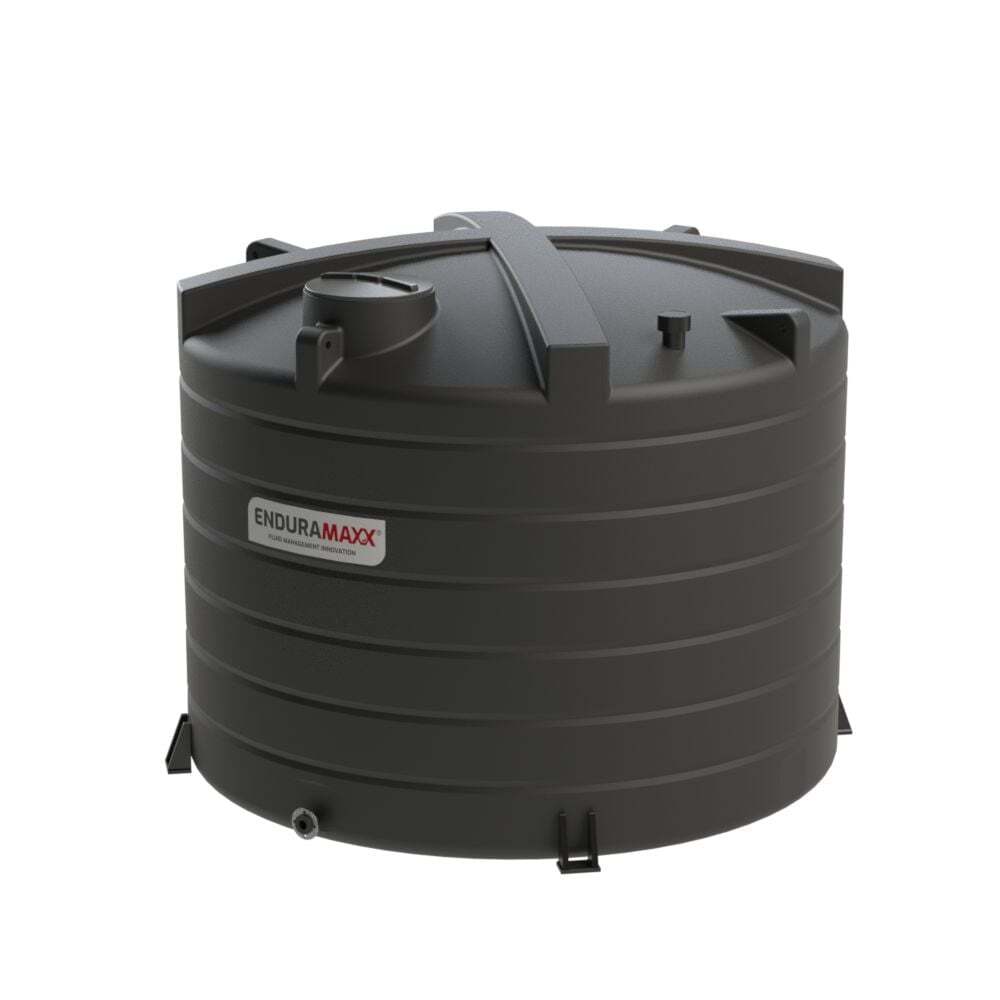
Heavy-duty molasses tanks feature reinforced construction to handle the substantial weight of molasses, with outlet configurations designed for the product's high viscosity. Available in capacities up to 30,000 litres, these tanks can be scaled to suit operations of any size.
For more information about molasses storage solutions suitable for your farming operation, explore our range of heavy-duty molasses tanks or get in touch with our team to discuss your specific requirements.

Related Posts
Related Products
From £1,080.00 inc. VAT
£900.00 exc. VAT
From £1,344.00 inc. VAT
£1,120.00 exc. VAT
From £768.00 inc. VAT
£640.00 exc. VAT
£480.00 inc. VAT
£400.00 exc. VAT